
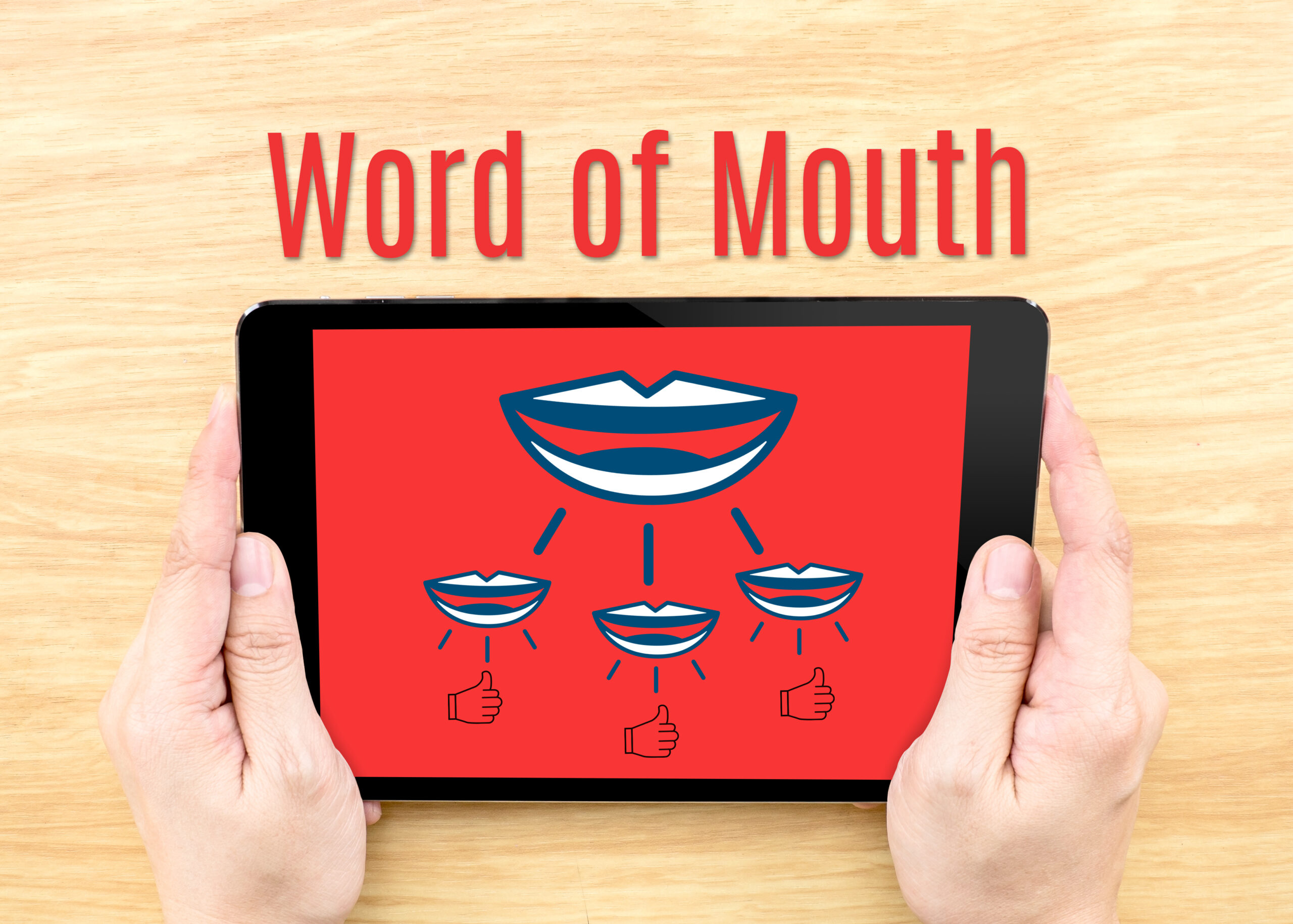
What if your next hundred customers didn’t come from ads—but from your current ones?
Word-of-mouth referrals have quietly powered businesses for centuries. Even with all the tools of modern marketing, nothing beats a genuine recommendation from someone you trust. It’s personal, persuasive, and practically priceless.
Here’s why this timeless strategy still outperforms today’s trendiest tactics.
The Most Trusted Channel in a Distrustful Age
Word-of-mouth referrals have emerged as the most credible and effective form of customer acquisition. People have grown skeptical of advertisements, preferring instead to rely on the opinions and experiences of those they trust.
Whether it’s a friend recommending a service, a colleague praising a product, or a family member sharing a positive experience, referrals carry emotional weight and social proof that no paid campaign can replicate.
Consumers are no longer passive recipients of marketing messages. They’re empowered, research-driven, and community-oriented. In this environment, trust is the new currency, and word-of-mouth is its strongest exchange medium.
The Psychology Behind Word-of-Mouth Influence
At the heart of word-of-mouth effectiveness lies human psychology. Several principles explain why recommendations work so well:
- Social Proof: People tend to mirror the actions of others, especially when uncertain. If a friend endorses a product, it signals reliability and desirability.
- Trust and Familiarity: Recommendations from personal networks bypass skepticism. When someone we know vouches for something, we assume it’s been tried, tested, and proven.
- Emotional Validation: Word-of-mouth taps into shared experiences. When someone finds joy or satisfaction in a product, sharing it reinforces their own decision and strengthens their emotional connection.
- Reduced Perceived Risk: Buying from a referral feels safer. The endorsement serves as a guarantee that minimizes doubts or fears of making a wrong choice.
These factors make referrals powerful motivators that can drive conversions faster than traditional outreach methods. They create a loop of trust, satisfaction, and advocacy that continues to expand organically.
Why Word-of-Mouth Still Wins in a Modern Strategy
Despite technological advancements and evolving marketing tools, the foundation of decision-making remains deeply human. Customers crave authenticity, and no algorithm can replicate the sincerity of a personal recommendation.
Modern businesses thrive when they combine strategic structure with genuine relationship-building. A company that focuses on delivering excellent experiences will naturally generate conversation around its brand. That conversation becomes the foundation for long-term growth.
In many cases, organizations discover that the most effective strategies are not necessarily the most expensive because they are the ones that connect meaningfully with customers and inspire loyalty.
Integrating Word-of-Mouth into a Business Framework
Building a system that encourages and rewards referrals takes more than good intentions. It requires structure, strategy, and genuine customer satisfaction. Below are essential frameworks to help integrate referral-driven acquisition into modern operations:
1. Create an Experience Worth Talking About
Referrals begin with excellence. If your service is memorable and your product delivers exceptional value, people will share their experiences without being prompted. Focus on consistency, quality, and customer delight. When customers feel valued, they naturally become brand advocates.
2. Establish a Clear Referral Program
Design a structured referral process that’s easy to understand and rewarding to participate in. Keep it simple:
- Offer mutual benefits and reward both the referrer and the new customer.
- Track referrals systematically to recognize contributions accurately.
- Communicate clearly about how the program works and the value it provides.
A transparent system encourages ongoing participation and turns satisfied customers into active partners in growth.
3. Empower Your Team to Champion Referrals
Employees play a crucial role in fostering positive impressions. Train them to recognize opportunities where a referral might naturally arise and to share success stories with authenticity. When internal teams embody brand values, they strengthen external trust.
Encouraging Advocacy Through Community and Connection
Referrals flourish in communities where relationships matter. Building such environments involves fostering engagement and open dialogue between your brand and its audience.
Here are ways to amplify community-driven referrals:
- Encourage storytelling: Invite customers to share their experiences publicly or privately. Stories add depth and relatability to referrals.
- Host events and gatherings: In-person interactions reinforce trust. Workshops, open houses, or appreciation events make customers feel part of a community.
- Recognize advocates: Publicly thanking or featuring satisfied customers not only rewards loyalty but also inspires others to engage.
- Keep communication personal: Tailor follow-ups and appreciation messages to each advocate. The more personalized your approach, the more genuine the connection feels.
Such gestures transform transactional relationships into emotional bonds, and that’s where lasting referrals are born.
The Subtle Art of Getting Referrals
Understanding how to get referrals starts with mastering timing and sincerity. Asking too early or making it sound transactional can feel forced. Instead, referrals should be an organic extension of satisfaction.
A good rule of thumb is to request a referral when the customer expresses delight, such as after solving a problem or exceeding expectations. By aligning your request with moments of genuine satisfaction, you create an effortless bridge between positive emotion and recommendation.
In addition, nurture relationships beyond the initial sale. Follow up, check in, and continue offering value. When customers feel remembered and appreciated, they’ll be more inclined to share your name with others.
Referral Programs That Work Without Gimmicks
The best referral programs align with brand identity and customer motivation. They reward advocacy but never feel manipulative or gimmicky. Consider these ideas:
- Loyalty-based incentives: Offer small but meaningful rewards that acknowledge participation without overshadowing authenticity.
- Partnership-driven referrals: Collaborate with complementary businesses to exchange referrals that benefit all parties.
- Tiered recognition: Introduce milestones that reward long-term advocates, such as exclusive experiences or premium access.
The goal is to create a loop of appreciation where both sides feel valued. This not only encourages referrals but deepens emotional attachment to the brand.
From Referrals to High-Quality Leads
When done right, referral systems don’t just bring more leads because they bring quality leads. Because these prospects come through trusted recommendations, they’re already pre-qualified and more likely to convert.
They arrive with a sense of familiarity, reducing the need for persuasion and lowering acquisition costs. Essentially, referral-based leads bypass many of the hurdles associated with cold outreach. Businesses can then focus on nurturing relationships instead of convincing skeptics.
Such leads also tend to demonstrate higher loyalty and longer customer lifespans, as they’re entering the brand relationship through trust rather than curiosity.
Sustaining the Cycle of Word-of-Mouth Growth
Once a business experiences the benefits of referral-based acquisition, sustaining momentum becomes essential. The key lies in maintaining consistent excellence and encouraging repeat advocacy.
- Listen actively: Customer feedback reveals how to improve both experience and messaging.
- Adapt programs: Refresh rewards or engagement methods periodically to keep things exciting.
- Stay authentic: Never let incentives overshadow genuine care and service quality.
By balancing innovation with authenticity, companies can sustain long-term referral ecosystems that continually generate interest and trust.
Turning Conversations into Growth
In an age where customers crave authenticity and human connection, word-of-mouth referrals remain the cornerstone of trust-based growth. They’re more than just marketing tools as they reflect real satisfaction, loyalty, and credibility. When a brand consistently delivers value, customers become its loudest ambassadors.
At Stoic Management Group, we believe that the strongest growth doesn’t come from noise because it comes from reputation. By focusing on credibility, customer satisfaction, and relationship-building, we help businesses stand out through the voices of their satisfied clients. Start your journey with Stoic Management Group today and transform trust into your most powerful growth tool.